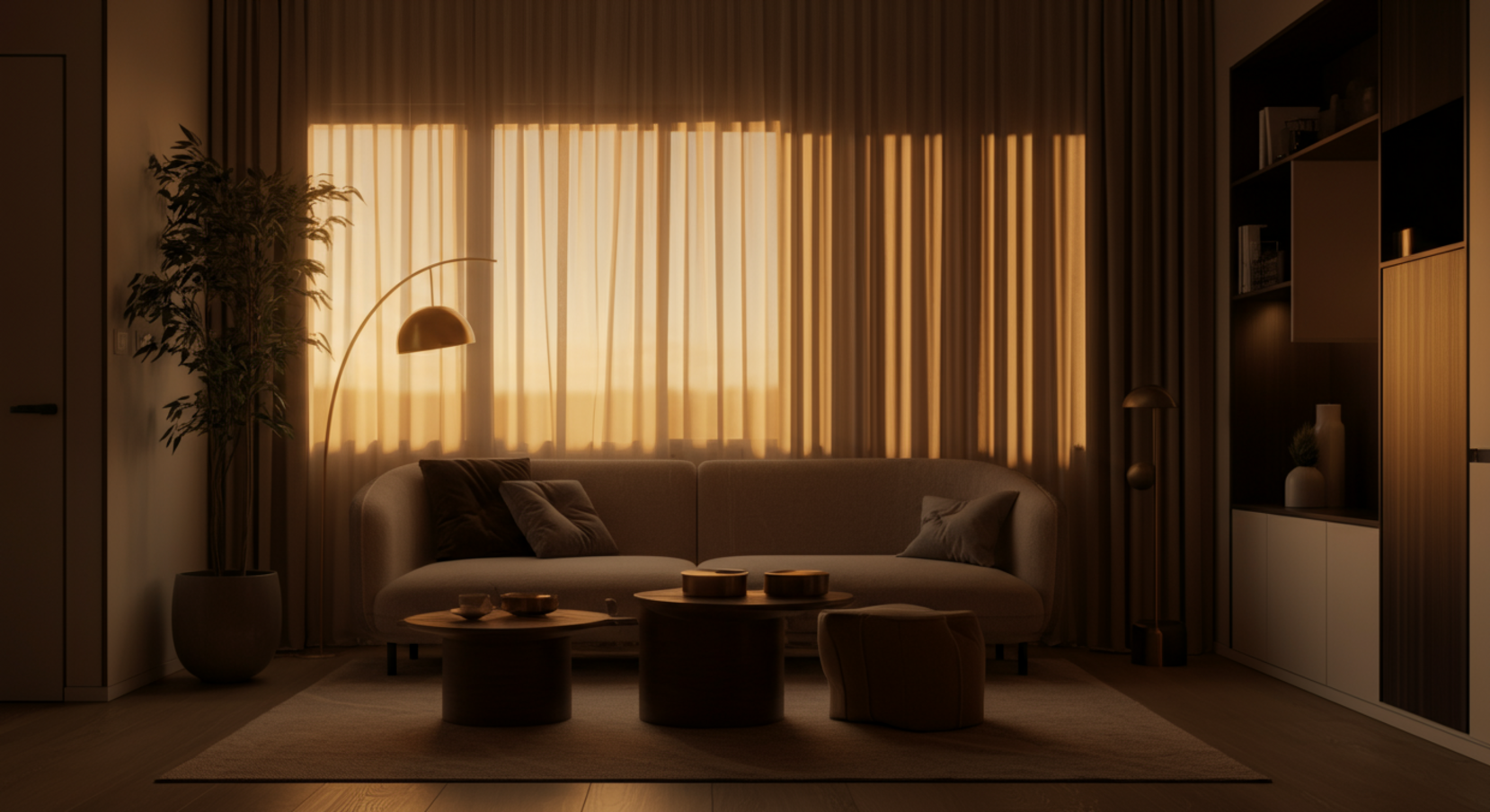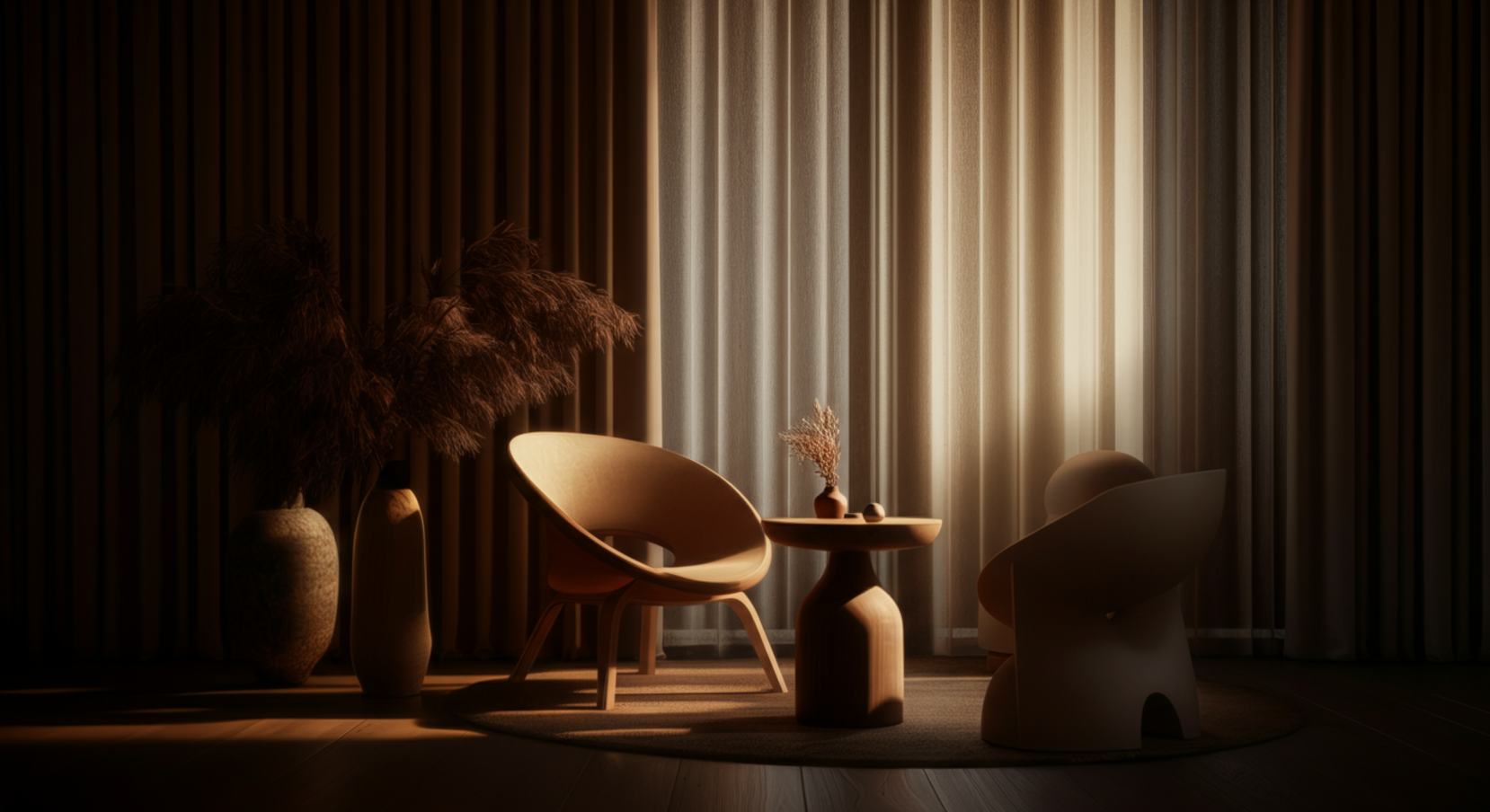
Here is a comprehensive guide on the rustic coffee table, written with the authority of a Senior Interior Designer for Decorescence.
The Anchor of the Living Room: Mastering the Rustic Coffee Table
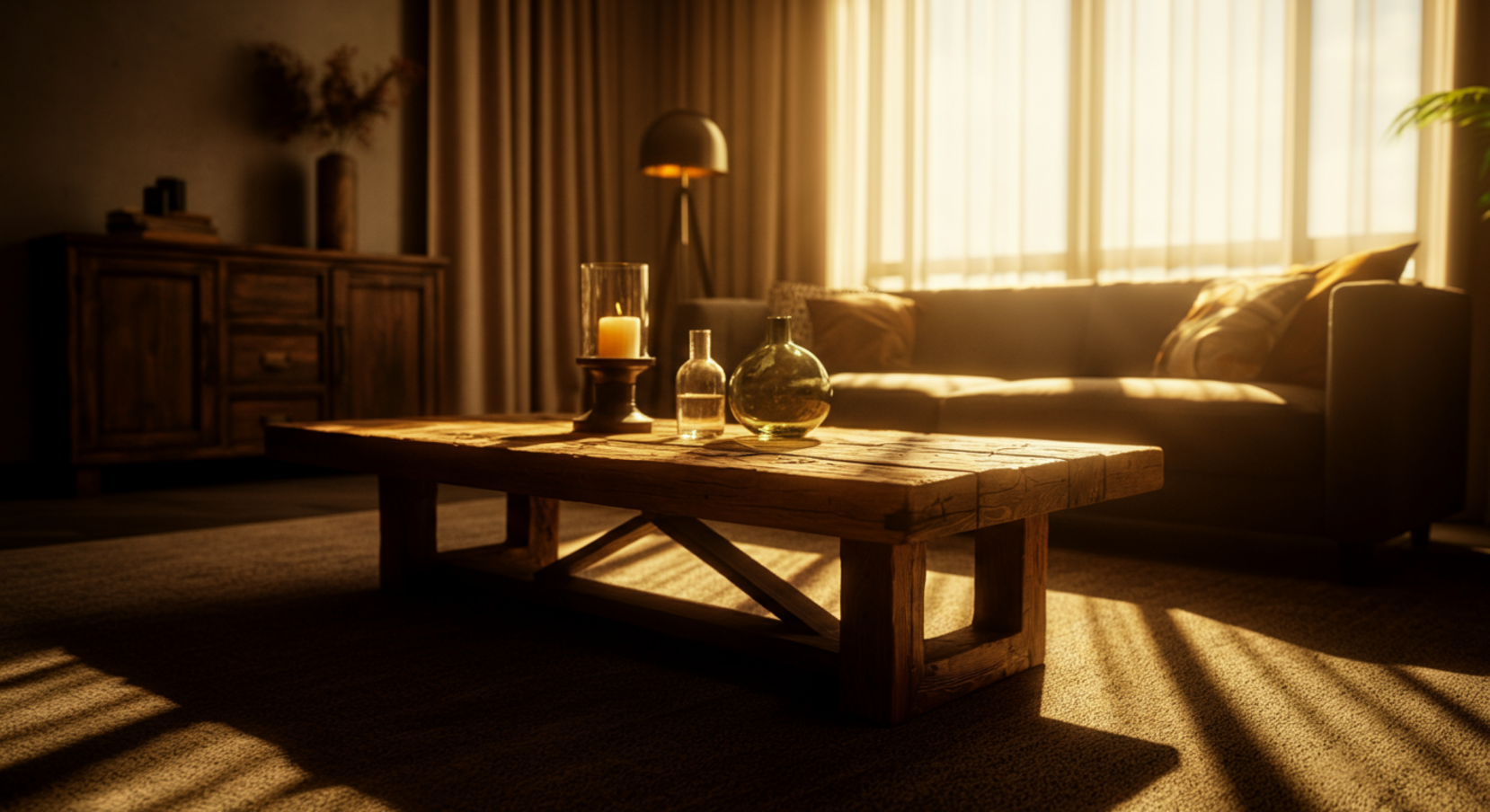
There is a specific moment when a house becomes a home. It isn’t when the walls are painted or when the sofa arrives. It happens when you place a heavy, textured, imperfect object in the center of the room, and suddenly, the space feels grounded.
For many of my clients, that grounding force is a rustic coffee table.
In a design world that often feels sterile or overly polished, we crave connection. We want furniture that tells a story—pieces that don’t just sit there but invite us to touch them. A rustic coffee table does exactly that. It brings the raw, unfiltered beauty of the outdoors inside, serving as a tactile reminder that perfection is overrated.
Whether you are renovating a modern farmhouse, softening a contemporary loft, or just looking for a piece that can handle the wear and tear of family life, this furniture choice is timeless. It is the hearth of the modern living room.
But choosing one? That requires a discerning eye. It isn’t just about buying old wood; it’s about understanding scale, texture, and the subtle art of mixing eras. Let’s look at how to bring this soulful element into your space.
Table of Contents
The Philosophy of this Style
To understand why the rustic coffee table holds such power in interior design, we have to look past the trends of “cottagecore” or the over-saturation of farmhouse style in big-box stores. The philosophy here is much deeper. It is rooted in authenticity.
The Rejection of the Pristine
For decades, the mid-century modern movement taught us to love sleek lines, chrome, and glass. While beautiful, these materials can feel cold. They demand that we live neatly. A rustic table, conversely, embraces the Japanese concept of Wabi-Sabi—the appreciation of beauty that is imperfect, impermanent, and incomplete.
When you bring a piece of reclaimed oak or distressed pine into your living room, you are acknowledging the passage of time. You are saying that scratches, knots, and grain variations are not defects; they are the character.
A History of Necessity
Historically, rustic furniture wasn’t a stylistic choice; it was a necessity. Early settlers and rural craftsmen built tables from whatever timber was available—barn beams, fallen trees, or repurposed wagon wood. They prioritized function and durability over ornamentation.
Today, when we select a rustic coffee table, we are paying homage to that utilitarian history. We are choosing a piece that is meant to be used, not just admired. It is a place for weary feet, heavy art books, and morning coffee mugs. It is furniture that exhales.
*
Essential Elements
What separates a truly high-end rustic aesthetic from a piece that simply looks “worn out”? As a designer, I look for three specific pillars when sourcing these tables for clients.
1. The Soul of the Material
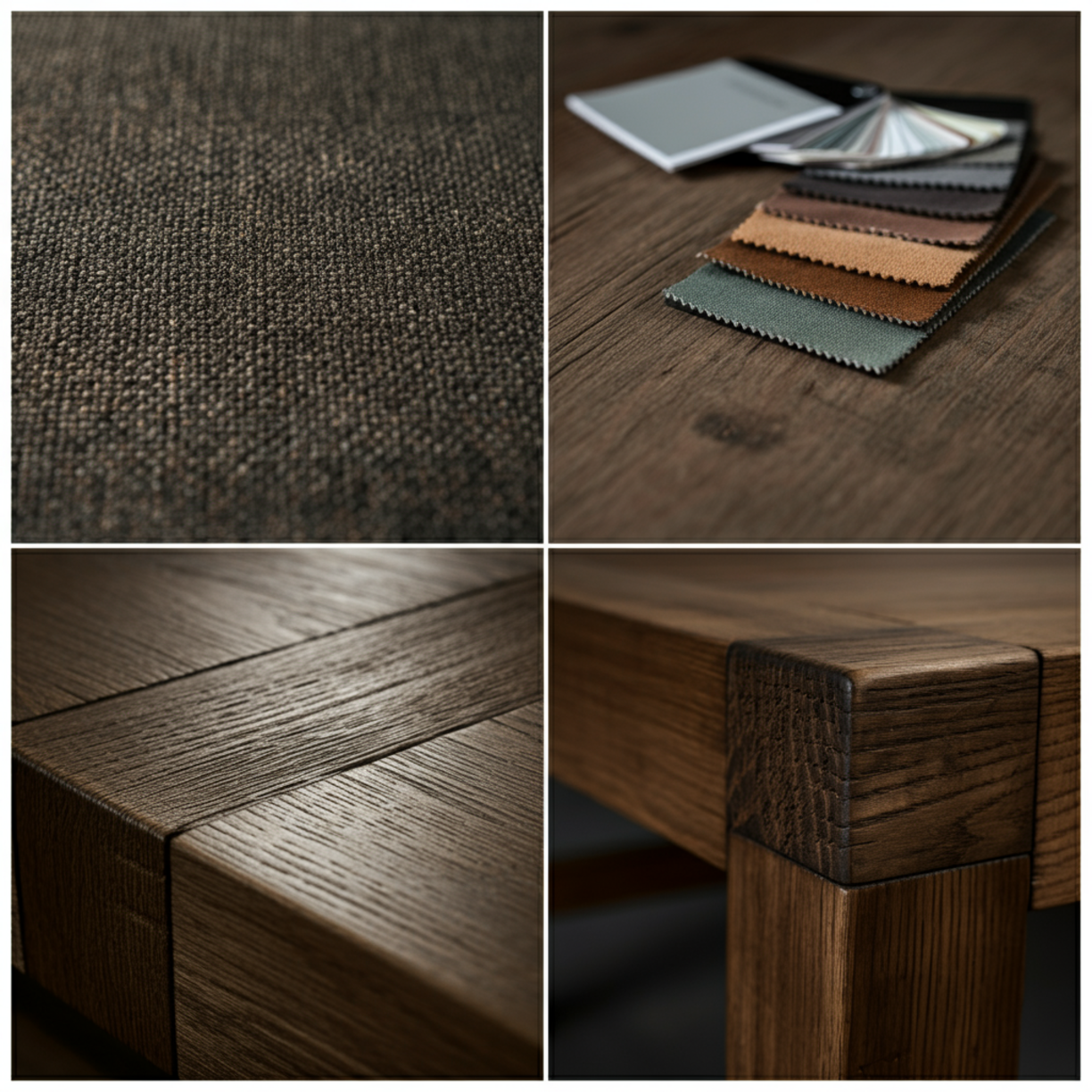
The wood is everything. You cannot fake the patina of age.
- Reclaimed Wood: This is the gold standard. Wood taken from old barns, factories, or fences has a density and grain pattern that new lumber cannot replicate. Look for “nail holes,” saw marks, and oxidation.
- Live Edge: A slab that keeps the natural curve of the tree trunk offers an organic softness that breaks up the straight lines of a room.
- Solid vs. Veneer: For a true rustic feel, solid wood is non-negotiable. Veneers peel; solid wood ages. If it scratches, it just looks more rustic.
2. Weight and Scale
A rustic coffee table should feel substantial. It is the anchor, remember? Avoid spindly legs or thin tops. We want “chunky” dimensions. A thick tabletop (at least 2 inches) communicates value and permanence. The legs should be equally sturdy—whether they are block wood or heavy, blackened iron.
3. The Finish (or Lack Thereof)
High-gloss lacquer has no place here. We want matte, oil-rubbed, or wax finishes. You want to feel the grain under your fingertips. The color should highlight the natural undertones of the timber—warm honeys, deep walnuts, or weathered greys—rather than masking them with opaque paint.
*
Timeline & Planning
Designing a room around a statement piece like this is not an overnight process. If you are accustomed to “fast furniture,” you need to adjust your expectations to get the look right.
The Search
Finding the perfect rustic coffee table often takes longer than buying a sofa. If you are sourcing vintage or custom reclaimed pieces, expect a lead time of 6 to 10 weeks.
- Weeks 1-2: Measuring your space and determining the maximum footprint.
- Weeks 3-6: Sourcing. This involves scouring antique fairs, visiting local woodworkers, or vetting online marketplaces for authentic materials.
- Weeks 7-8: Fabrication (if custom) or shipping.
Acclimation
This is a step many homeowners skip, with disastrous results. When a solid wood table arrives, it needs to “acclimate” to your home’s humidity levels. Wood breathes. If you bring a table from a cold warehouse into a heated living room, it can warp or crack.
- The Rule: Let the piece sit in the room for 48 hours before you style it heavily or place it near a direct heat source.
*
Step-by-Step Styling Guide
You have the table. It’s heavy, it’s textured, it’s beautiful. Now, how do you style it without covering up the wood that you paid for?
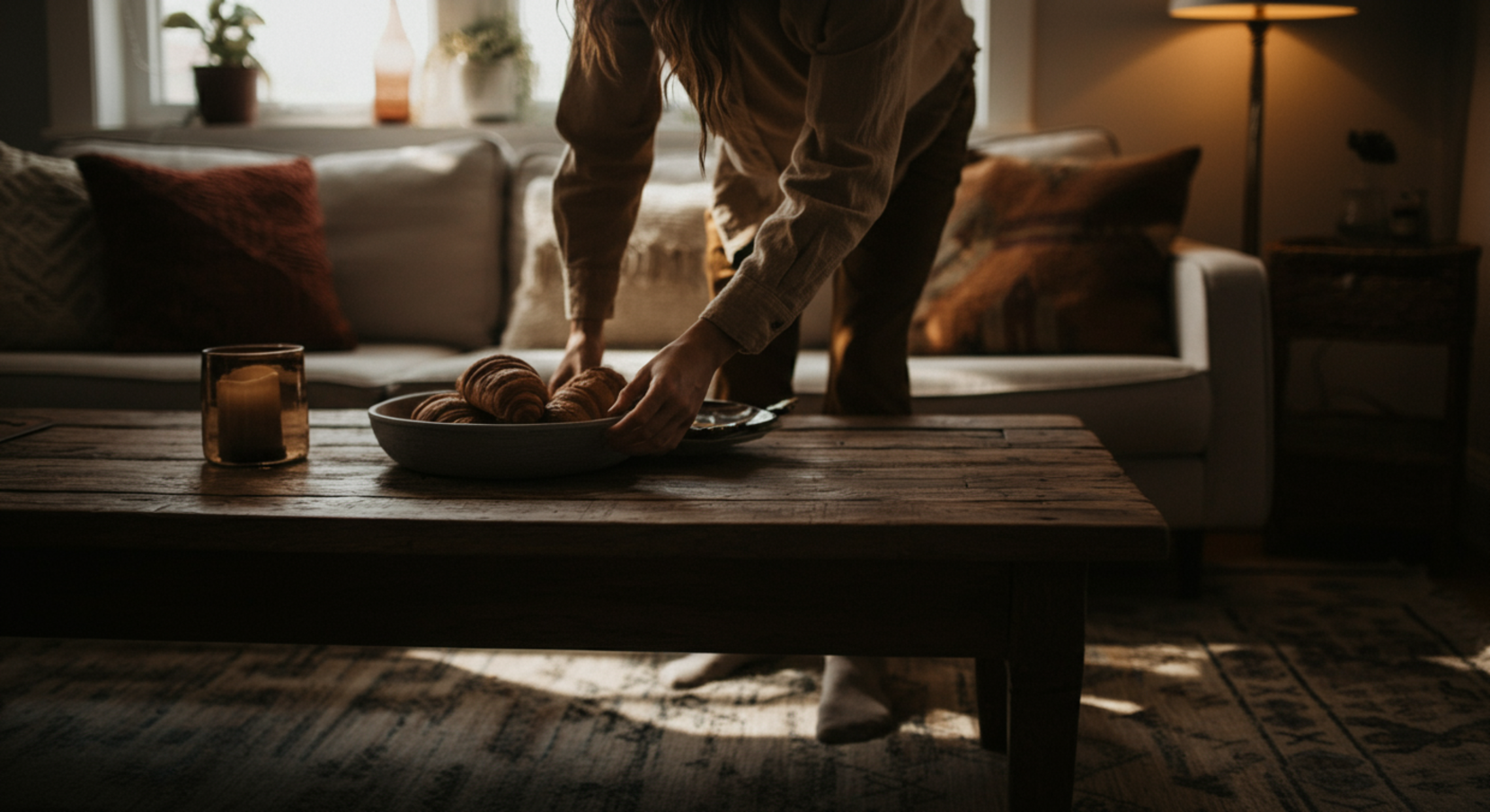
Styling a rustic coffee table is a balancing act. The table itself is visually “heavy,” so your decor needs to provide contrast without cluttering the surface. Here is my exact formula for styling these surfaces.
Step 1: The Foundation (Contrast is King)
Before you put anything on* the table, look *under it. Rustic wood usually has dark or medium tones. If you place it on a dark floor, it disappears.
- The Fix: Ensure your rug provides contrast. A creamy wool rug, a natural jute weave, or a faded vintage Persian rug will make the wood pop.
Step 2: The Tray Anchor
Because rustic tables often have uneven surfaces (ridges, knots), you need a flat surface for stability.
- Action: Start with a large tray. If the table is round, use a square tray. If the table is rectangular, a round tray softens the look. Materials matter here: choose woven rattan, matte ceramic, or hammered metal. This is the “landing zone” for remotes and coasters.
Step 3: The Vertical Element
Rustic tables are horizontal beasts. You need to draw the eye up.
- Action: Add height. A tall ceramic vase with structural branches (olive, eucalyptus, or dried cotton stems) works perfectly. Avoid perfect bouquets of roses; they look too fussy against the raw wood. You want something architectural and wild.
Step 4: The Intellectual Layer
Books are non-negotiable in my designs. They add color, personality, and structure.
- Action: Create two stacks of coffee table books. Strip the dust jackets off to reveal the linen covers—they usually have a more tactile, vintage feel that suits the rustic aesthetic. Vary the height of the stacks.
Step 5: The Organic Curio
You need something weird. Something that looks like you found it on a walk.
- Action: Add a sculptural element. A piece of driftwood, a large geode, a bowl of moss, or a strand of oversized wooden beads. This bridges the gap between the furniture and the decor.
Step 6: The Softener
Wood, iron, and stone are hard materials. The eye needs a break.
- Action: If your table has a bottom shelf, place a folded texture there—a chunky knit blanket or a woven basket. On the top surface, use a soft leather coaster set or a fabric-bound journal.
Step 7: The Scent of Home
Visuals are only one sense.
- Action: A candle is essential, but the vessel matters. No glass jars with loud labels. Look for candles poured into concrete, matte pottery, or amber glass. The scent should be woodsy—sandalwood, cedar, or tobacco—to complement the visual story.
*
Budget Alternatives
Not everyone has the budget for an authentic 19th-century French farmhouse table. And that is fine. You can achieve the rustic coffee table look with some ingenuity and elbow grease.
The Upcycle Method
The most authentic budget option is to make a new piece look old.
- Thrift Store Finds: Look for solid wood tables from the 80s or 90s. The shape might be dated (orange oak), but the bones are good.
- The Process: Sand it down to the raw wood. Remove the shiny varnish. Instead of re-staining it dark, apply a “liming wax” or a white-wash glaze. This settles into the grain and gives it that bleached, coastal-rustic look that is very expensive to buy new.
The Pallet Project
Be cautious here—this can look cheap if done poorly.
- The Trick: Don’t just stack pallets. Disassemble them. Use the weathered planks to clad a simple plywood box structure. The key is in the finishing: sand it well to avoid splinters, and add high-quality caster wheels or hairpin legs to elevate it from “dorm room” to “industrial chic.”
The “High-Low” Retail Hack
If buying from a budget retailer, avoid pieces that print a wood grain onto particle board. It never looks real.
- What to buy: Look for “solid pine” options. Pine is softwood and cheap, but it is real wood. You can beat it up with chains or a hammer (literally) to add distress, then stain it with a high-quality walnut stain to mimic harder, more expensive woods.
*
Common Mistakes
I have walked into many homes where the intent was “rustic charm,” but the result was “cluttered cabin.” Here is how to avoid the design traps.
1. The “Matchy-Matchy” Trap
Never, and I mean never, buy the full “rustic living room set.”
- The Mistake: Buying the rustic coffee table, the matching side tables, and the matching TV console.
- The Fix: If your coffee table is heavy reclaimed wood, make your side tables metal, glass, or painted wood. The rustic table should be the soloist, not the choir.
2. Incorrect Scale
A heavy rustic table demands space.
- The Mistake: Cramming a chunky block table into a small space where it blocks flow. Or, placing a tiny rustic crate in front of a massive sectional.
- The Fix: The table should be roughly two-thirds the length of your sofa. There should be 18 inches of clearance on all sides for walking.
3. Ignoring Undertones
Wood is not a neutral; it is a color.
- The Mistake: Mixing cool-toned grey flooring with a warm, orange-toned rustic table. They will clash violently.
- The Fix: Identify the undertone of your wooden floors. If they are warm, go for a table with warm or neutral tones. If your floors are grey/cool, look for a table with an ash or whitewashed finish.
4. The “Faux” Disaster
- The Mistake: Buying a table made of MDF with a laminate sticker that looks like barn wood.
- The Fix: It is better to buy a simpler, cheaper real wood table than a fake rustic one. The laminate will peel at the corners within a year, destroying the illusion.
*
Maintenance
The beauty of a rustic coffee table is that it is forgiving. However, “rustic” does not mean “invincible.” To keep it looking curated rather than neglected, follow these protocols.
Dealing with Moisture
Real wood hates water rings. Even though the table is rustic, a white water ring looks like damage, not patina.
- Prevention: Use coasters. If a spill happens, blot it immediately; do not wipe, as wiping pushes the moisture into the grain.
The Seasonal Shift
Wood expands in summer (humidity) and contracts in winter (dry heat).
- Care: If you see small cracks appearing in winter, this is normal “checking.” You can mitigate this by keeping a humidifier in the room. Avoid placing the table directly over a heating vent.
Cleaning Protocol
- Daily: Dust with a microfiber cloth. The textured surface of rustic wood loves to trap dust.
- Monthly: Use a wood cleaner specifically for oiled or waxed finishes. Avoid “polish” sprays that contain silicone (like Pledge), as they build up a sticky residue over time that attracts more dirt.
- Annually: If the wood looks dry or grey, feed it. A high-quality beeswax or orange oil will replenish the moisture and bring back the depth of color.
*
Conclusion & FAQs
The rustic coffee table is more than a trend; it is a return to the essential. In a digital, high-speed world, we need our homes to feel slow. We need surfaces that feel real. By choosing a piece with history, texture, and weight, you are anchoring your living room in something substantial.
It is the place where you will rest your feet after a long day, where you will play board games with your children, and where you will gather with friends. It is a piece of furniture that gets better with every scratch, every spill, and every memory.
That is the true definition of home.
Frequently Asked Questions
Q: Can I mix a rustic coffee table with modern furniture?
A: Absolutely. In fact, that is the preferred way to style it. A rustic table looks stunning next to a sleek velvet sofa or a mid-century modern leather chair. The contrast creates tension and interest. If everything is rustic, it looks like a theme park; if you mix it, it looks like design.
Q: Is a rustic table safe for toddlers?
A: Generally, yes, because they are sturdy and won’t tip over. However, watch out for “live edge” tables or reclaimed wood with splintery corners. You may want to sand down sharp corners or choose a round rustic table (like a drum style) if you have little ones learning to walk.
Q: How high should my rustic coffee table be?
A: Standard height is 16 to 18 inches. It should be the same height as the seat cushions of your sofa, or slightly lower. Never higher. Because rustic tables are visually heavy, if they are too tall, they can dominate the room aggressively.
Q: My table has large cracks. Is it broken?
A: Likely not. In the trade, we call these “checks.” As long as the table is structurally sound and not wobbling, these cracks are part of the aesthetic appeal of rustic wood. If a crack opens wide enough to lose a pen in, you can fill it with a clear or black epoxy for a smooth surface that retains the look.
Q: What is the best wood for a rustic table?
A: Oak, Walnut, and Pine are the classics. Oak is incredibly durable and has a lovely grain. Walnut is richer and darker. Pine is softer and dents easily, which accelerates the rustic look, but it requires more care to avoid looking damaged rather than distressed. Teak is also an excellent option for a more global, organic feel.